Pool Inspections

Operational inspections for commercial and high-liability residential pools—clear findings, prioritized fixes, Bergen County.

Inspections Should Reduce Risk and Build a Budget—not a Panic Folder

A strong pool inspection translates technical conditions into decisions: what must be corrected now, what can wait, what should be monitored, and what belongs in a 12–24 month capital plan. We inspect with an operator’s mindset: circulation first, structure second, cosmetics last.

Commercial and multifamily pools carry unique exposure—high bather load, gate access questions, equipment redundancy expectations, and the reality that “clear water” can hide bad turnover. Residential estates sometimes need inspections for insurance, real estate transitions, or post-storm documentation.

We deliver findings in plain language with prioritized recommendations, so boards and property managers aren’t left translating vague jargon into dollars.

Life safety, access, and deck hazards (facility-specific)

Every property interacts with different codes and expectations. We document what we observe on deck: trip points, cover hardware issues, loose anchors, damaged ladder treads, slip surfaces under splash zones, and any condition that could create immediate injury risk.

Where something is outside our lane (engineering sign-off, certified diving board inspection, etc.), we say so clearly—so you can engage the right professional without guesswork.

  • Visibility and lighting context for night operation (where applicable)
  • Documented notes suitable for follow-up corrective scheduling
  • Clear separation between “observe/report” vs. “repair recommendation”
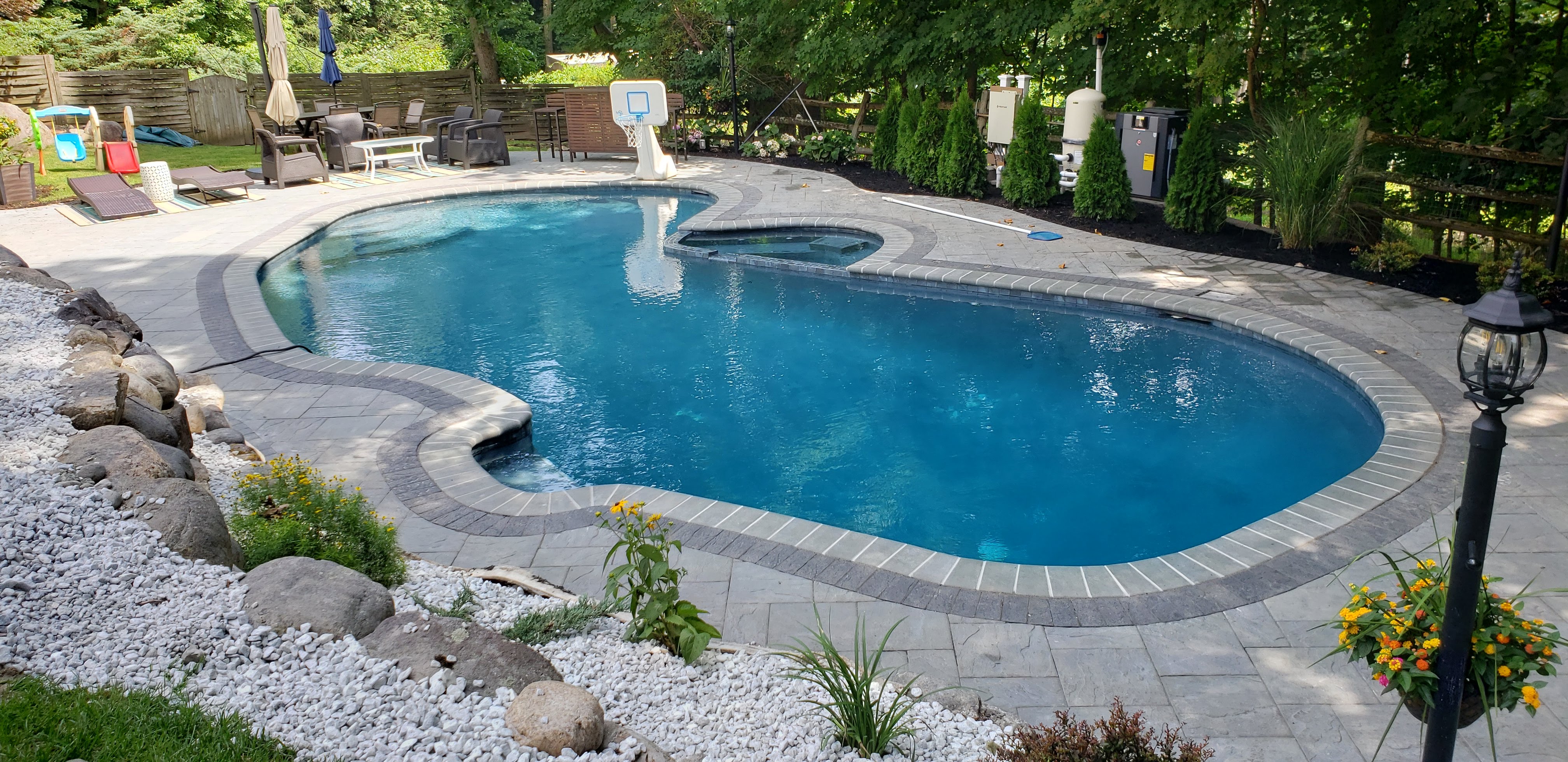
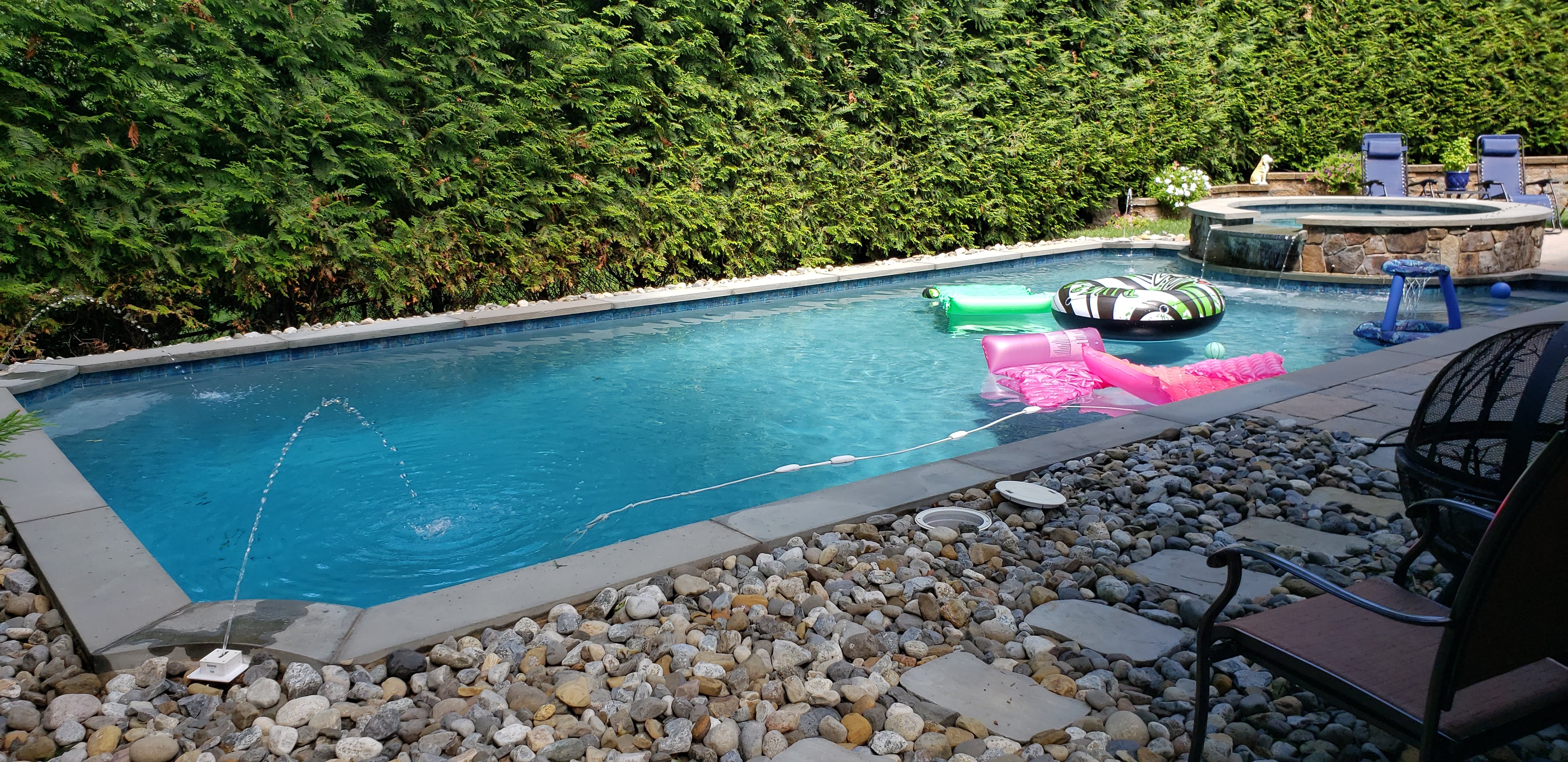
Pool inspection deck safety and access review

Circulation, turnover, and water-quality controls

We evaluate the “engine room” story: pump operation sounds and cavitation signs, filter pressure behavior, heater safeties, chemical feed equipment, controllers, and sensors. Many inspection findings start as subtle flow problems that become compliance risk under peak load.

We tie observations to practical outcomes: cloudiness under parties, inability to hold chlorine, repeated algae cycles, heater lockouts, and excessive water replacement needs.

  • Filter media condition indicators and cleaning protocol fit
  • Sanitizer strategy review (feeders, salt, supplemental oxidation)
  • Documentation pointers for commercial testing expectations
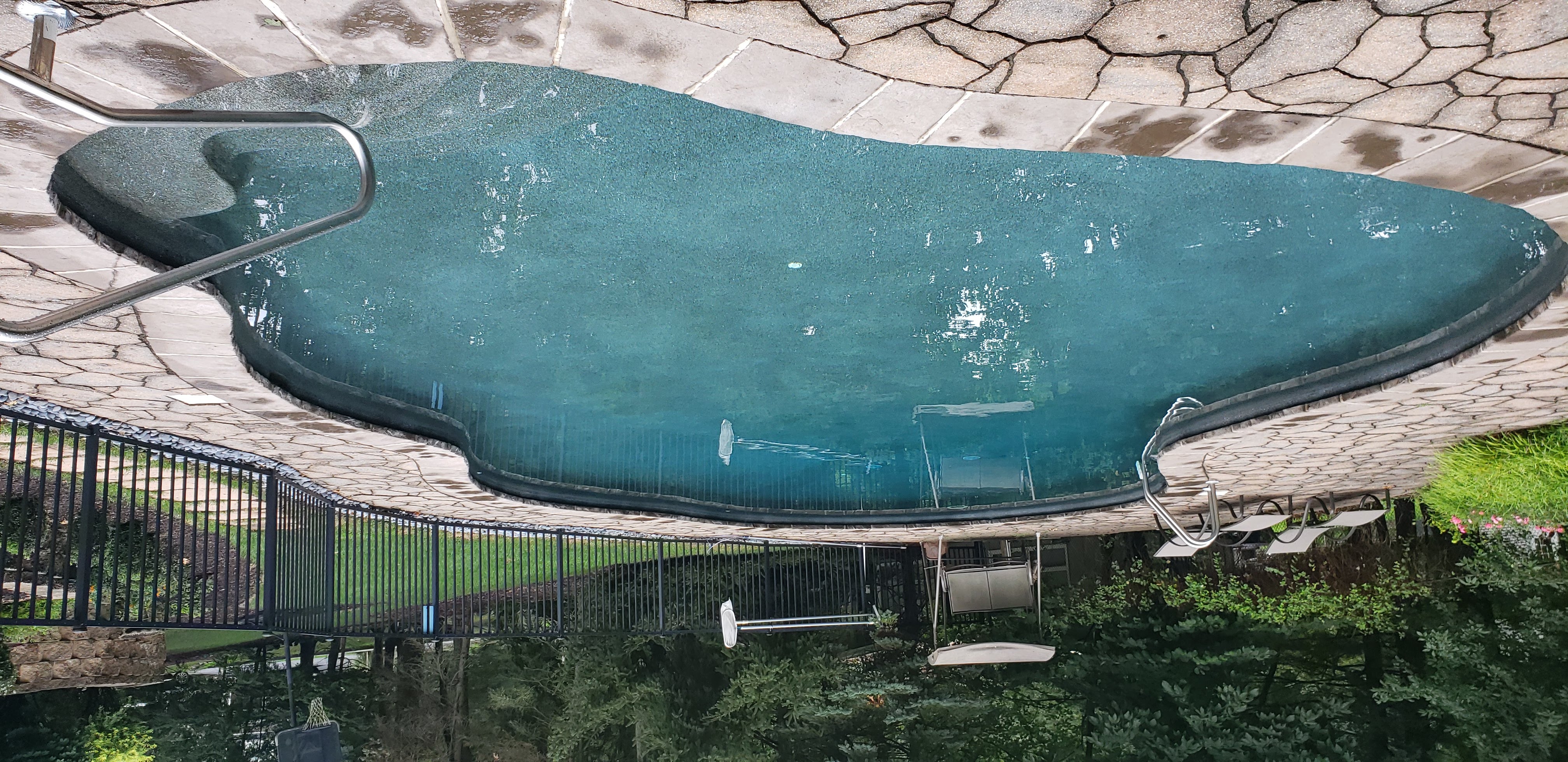
Pool equipment inspection and circulation review

Structural clues, leak risk, and when to escalate

Inspections aren’t leak detection by default—but we flag conditions that often correlate with loss: suspicious deck cracking near returns, active drip points at equipment, sinkholes in surrounding grade, or shell evidence that warrants isolation testing.

You’ll leave with a prioritized punch list: urgent corrections, scheduled improvements, and monitoring items—plus optional follow-up service to execute fixes with continuity from the same team.

  • Tile/coping/mastic clues that suggest water migration
  • Vapor/water pattern observations around lights and fittings (site-specific)
  • Clear next-step options if structural investigation is warranted
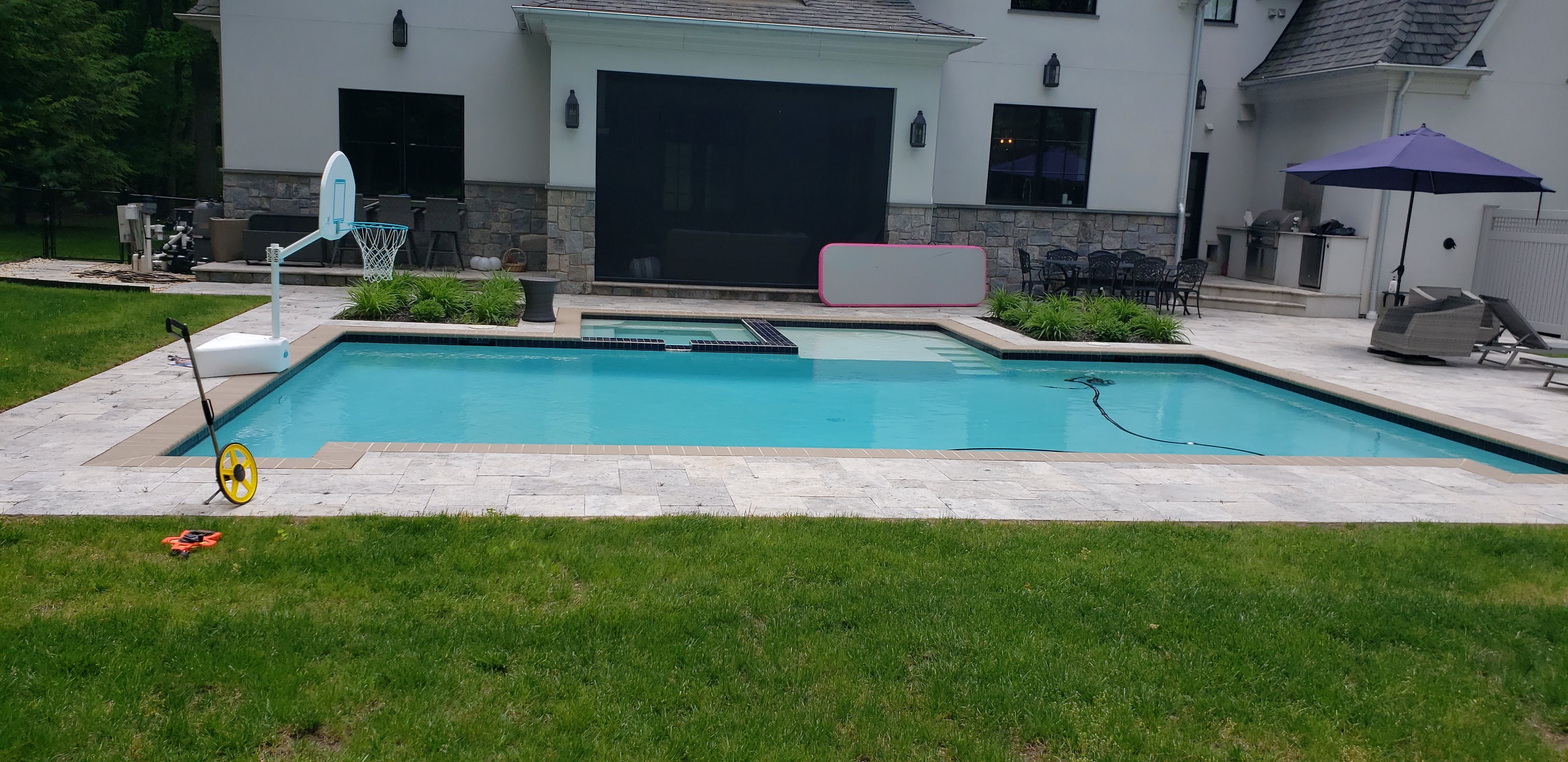
Pool structure inspection and condition documentation

Share facility type, season opening date, and any known incidents—we’ll schedule an inspection window and reporting format that matches your stakeholders.

Request an inspection