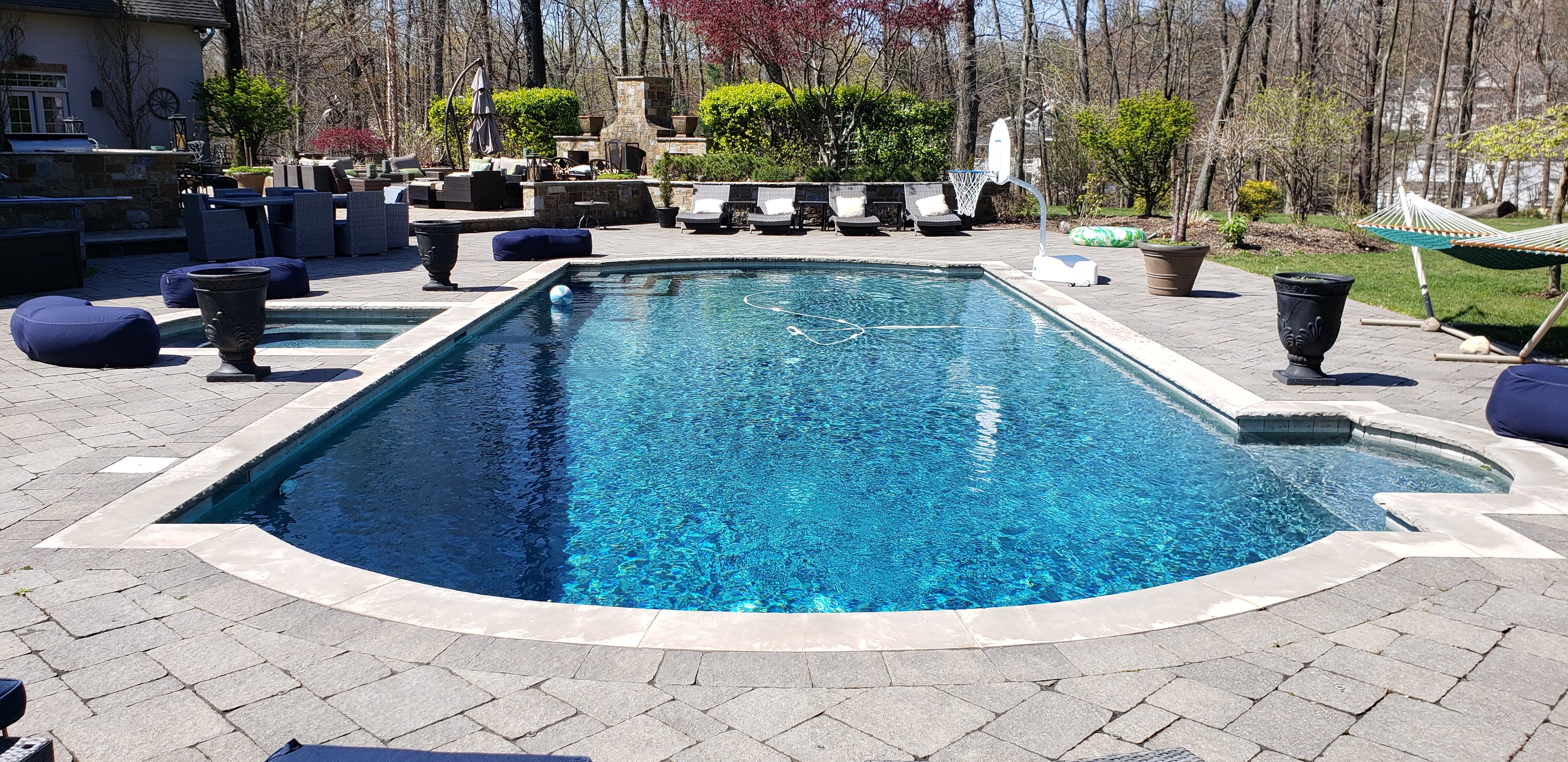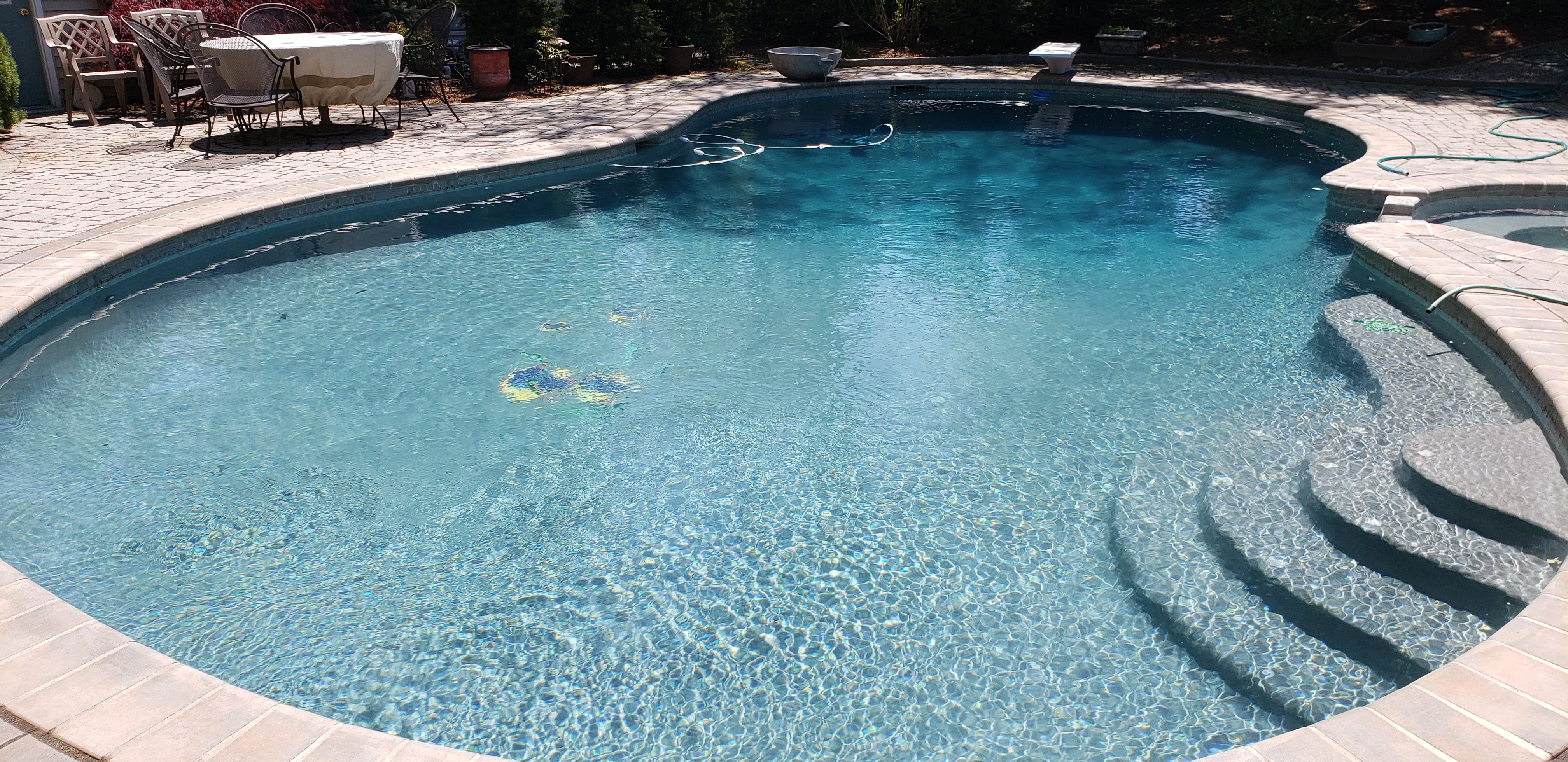
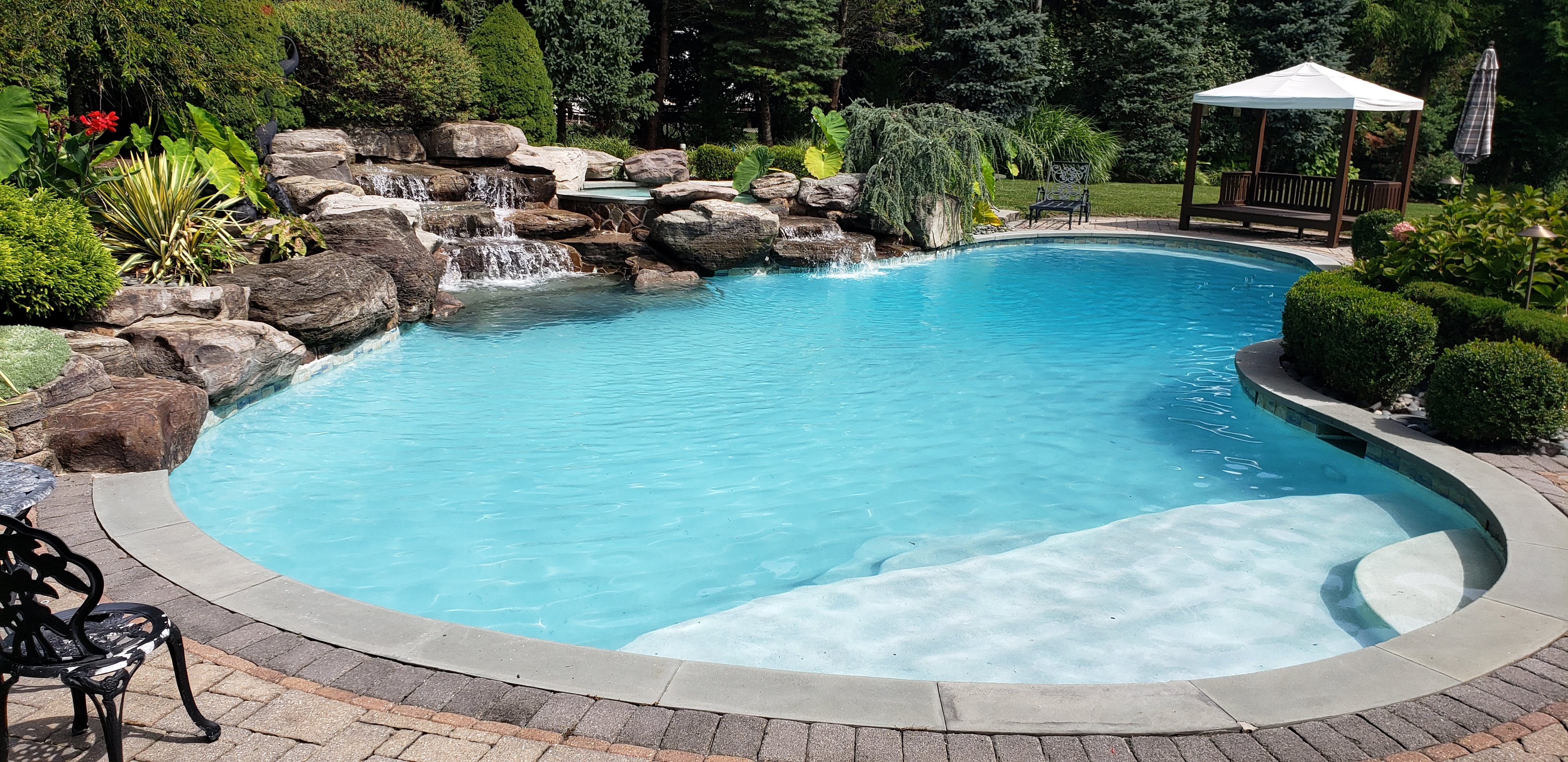
Opening & Closing

Spring startups and winter closings for in-ground and above-ground pools—structured checklists, safer winterization, cleaner openings across Bergen County.

Openings and Closings Are the Bookends That Make—or Break—Your Whole Season

Most expensive mid-season failures trace back to a rushed startup, skipped winterization detail, or chemistry left unstable under a cover for months. We treat seasonal service like engineering: verify circulation first, protect equipment second, stabilize water third—then document what we did so spring isn’t a mystery.

Bergen County winters punish anything wet left exposed to freeze risk. Our closing process matches your plumbing layout and cover type so you’re not learning about cracked lines in April when the pump won’t prime.

On opening weekend, you want confidence: no “we turned it on and prayed.” You want a controlled start that reduces damage risk, clears winter debris, and gets sanitizer working without instantly clouding the pool.

Spring opening: circulation-first startup that protects equipment

Openings aren’t about making water blue on day one—they’re about confirming the system is safe to run: baskets clean, valves in sane positions, leaks contained, heater flow viable, and a sane filtration schedule before heavy shocking.

We remove winter plugs and fittings in the correct sequence, start the pump with attention to air purging, and validate filter pressure behavior before pushing big chemistry moves. That approach prevents the classic “pump ran dry” or “heater faulted instantly” outcomes.

  • Deck equipment inspection: ladders, rails, anchors, cover hardware
  • Initial chemistry plan matched to water temperature and CYA reality
  • Guidance for reopening filters after long idle periods
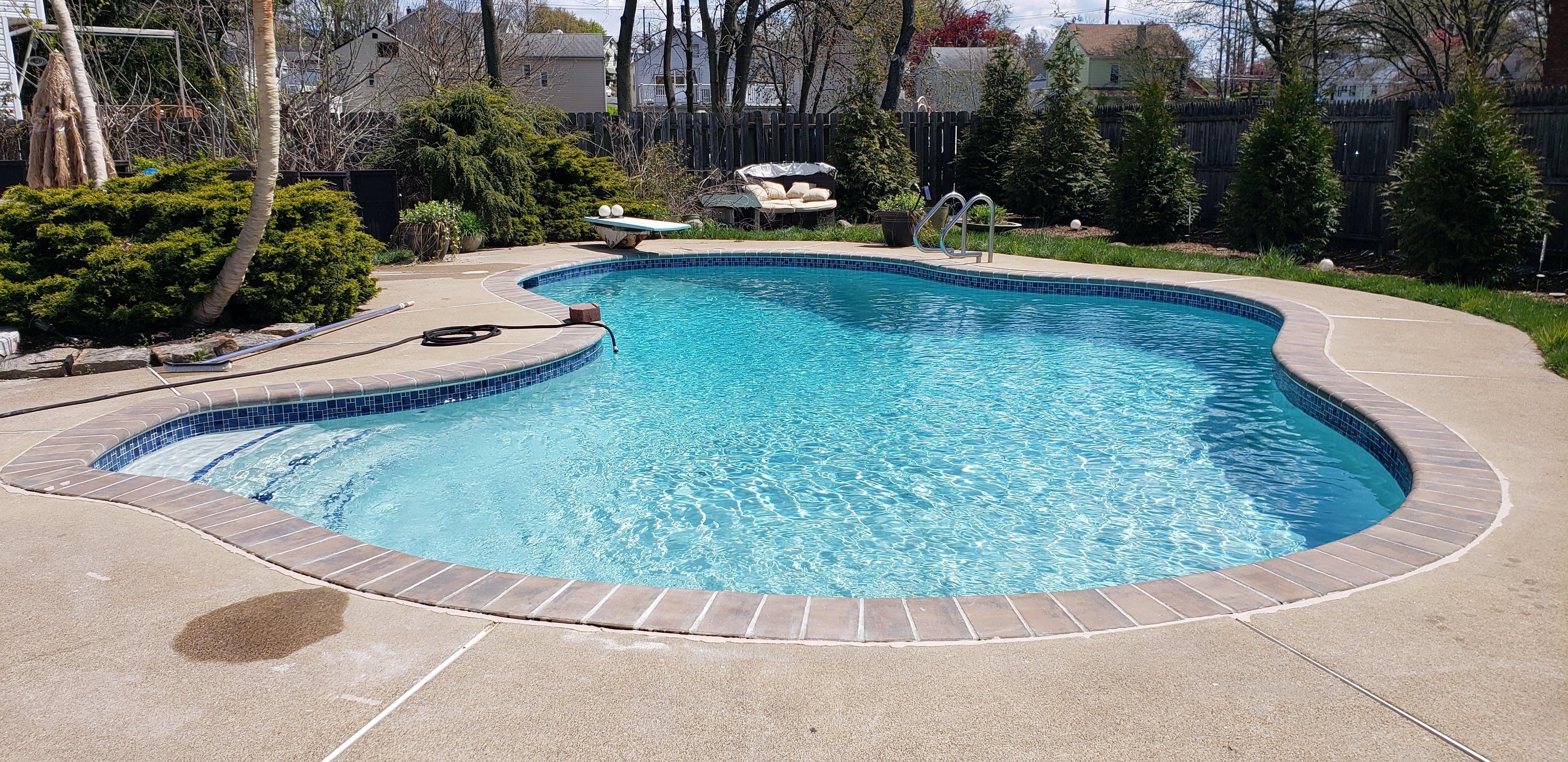
Pool spring opening and startup service

Winter closing: chemistry that survives under cover + plumbing protection

Closing chemistry matters. Water that’s aggressive or wildly unbalanced can etch surfaces, stain liners, or encourage scale under stagnant conditions. We set ranges appropriate for winter idle and your treatment path (chlorine, salt, alternative systems).

Winterization steps depend on risk: blowing lines where needed, protecting pumps and heaters correctly, removing/storing portable equipment as appropriate, and sealing the pool so organic load doesn’t explode under sunlight gaps.

  • Antifreeze and blow-out decisions matched to your loop design
  • Cover fit notes: safety covers, water bags, pump-off puddle points
  • Documentation for homeowners—what not to touch mid-winter
Pool winter closing and cover preparation

In-ground vs. above-ground: same standards, different risk points

Above-ground systems add unique failure modes: flexible hoses, collapse risk from ice expansion around the wall, skimmer winter plates, and pump lines that freeze faster because equipment sits exposed. In-ground pools add underground plumbing risk and harder-to-spot seepage around fittings.

We adapt the checklist to your pool class so you’re not paying for irrelevant steps—or missing the one step that wrecks your spring.

  • Liner slack checks on cold-water closes where applicable
  • Equipment relocation/storage guidance for removable systems
  • Spring algae recovery playbooks when openings run late
Seasonal pool service for Bergen County homes

Book early for peak weekends—we’ll confirm cover type, equipment layout, and the best closing window before hard freezes.

Schedule opening or closing